The move towards business integration of HSE matters began in the mid-1980s with the introduction of Safety and Environmental Management Systems to initially provide guidance on the implementation of Company HSE policies and programs. However, it was not until disasters occurred like the Piper Alpha accident (1988) and the EXXON Valdez oil spill (1989) that industry and authorities realized increased awareness and more effective Management Systems needed to be in place to avoid further major incidents.
It became evident that systems needed to be improved to provide a safe and healthy workplace, preserve the working environment, secure company assets and maintain company reputation. As with technology, HSE management systems have developed over the years with management being the key and HSE incorporated in a company’s business plan and strategy utilizing a top down approach.
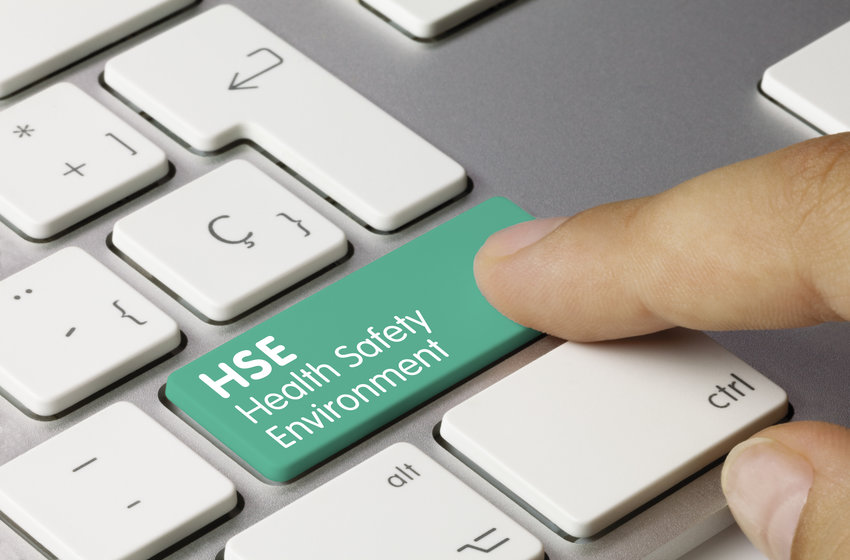
Companies are legally required to have an HSE management system as part of their corporate structure; essential to avoid litigation issues should incidents occur. It is very apparent that a well implemented HSE management system saves money as well as lives.
Behavior based safety (BBS) has taken this one stage further by encouraging individuals and their work groups to assess their own behaviour and consider the potential for incident involvement. SeisTrain incorporates a number of HSE modules to familiarize the trainee with aspects of an HSE management system applicable to a seismic crew. These modules can be easily adapted to meet client specifications and fit the nature of the seismic crew environment.
As a training program SeisTrain has the ability to add modules to accommodate new technology and new concepts in HSE, and thus keep CSRs up to date with industry changes either during initial training or by revisiting the program at a later date.